If you have spent some time scrolling social media recently, you may have noticed a trend being talked about called ‘Hula Matcha Therapy’ and its supposed ability to combat depression. In most cases, it entails two core concepts; the consumption of Matcha – a powdered green tea high in antioxidants and L-theanine – combined with therapeutic movement from dance, mindful, and de-stressing practices.
As appealing as the name is, it makes us ask-Does Hula Matcha Therapy really help with depression? Well the simplest answer to this question is that there is currently no actual recognised medical treatment for depression known as Hula Matcha Therapy, and there is no clinical data to suggest it alone can treat depression. However, some of the constituent parts can benefit overall mental health.
The Matcha Connection
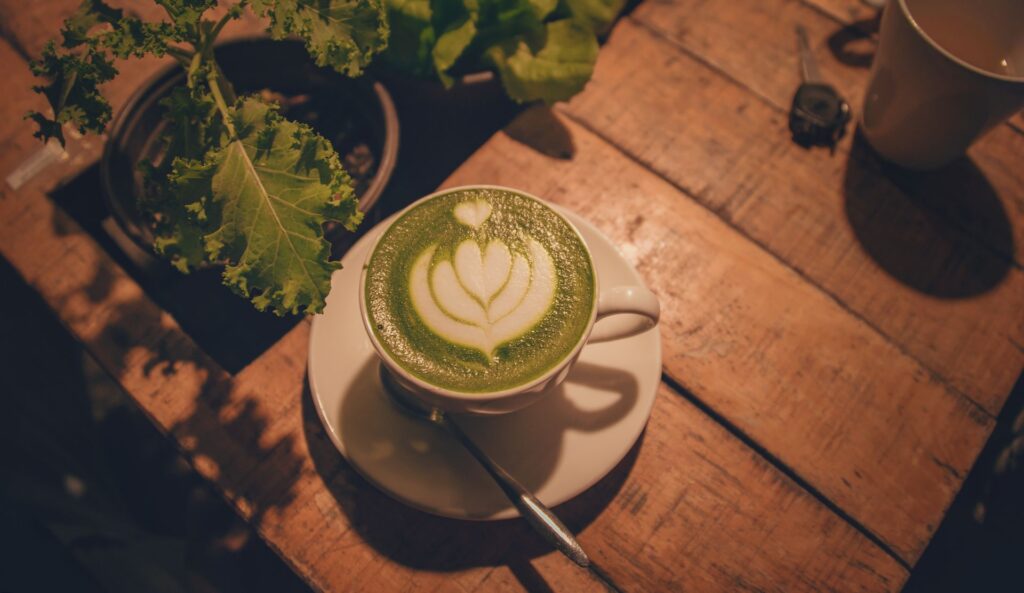
One of the biggest reasons people consider Hula Matcha Therapy is the mental effect that matcha has. Matcha has both caffeine and L-theanine, which is an amino acid thought to reduce stress and induce a state of “calm alertness” when combined with caffeine. Many consumers note that they have more focused and relaxed state of mind than they would if drinking coffee.
There have even been studies conducted in Japan exploring the potential for matcha to have antidepressant effects. One such study in socially isolated mice observed that matcha appeared to reduce depression-like behaviours by influencing dopamine related pathways in the brain (a neurotransmitter strongly associated with reward, motivation and mood).
Researchers have noted that because this study was carried out on animals, there is still more research required in human beings before this can be considered effective. Although matcha may indeed promote focus, relaxation and stress reduction for certain people, there is not enough evidence to suggest it will cure depression.
The Role of Movement and Dance
The “Hula” in Hula Matcha Therapy relates more broadly to movement-based therapeutic techniques. In regards to dance and movement therapies it has been shown that such interventions may benefit a variety of mental health areas including mood, emotion and subjective well-being. General physical exercise, such as dance, has been demonstrated to benefit psychological health due to its impact on mood and endogenous opioid release, stress management and sleep.
A recent investigation into the effects of dance movement therapy showed that the structured exercise involved in a dance-based intervention may contribute to a reduction in depressive symptoms for some individuals. Such interventions may enhance emotional well-being through a combination of physical exertion, interpersonal interaction and imaginative expression.
One possible explanation for some people having a good experience using Hula Matcha Therapy is that it integrates a combination of healthy lifestyle habits. In addition to drinking a relaxing beverage, these are physical activity, mindfulness, and social engagement. All of these may boost mood.
These practices may help reduce feelings of stress, promote connectedness, and support healthy habits. If an individual is experiencing moderate levels of stress or low mood, adding a few positive health habits can be a great part of an overall wellness plan. However, a temporary uplift does not equal a treatment for a mental illness. Depression is a complex disease that is the result of a combination of biological, psychological, social, and environmental factors. One approach is not going to work for everyone.